Cups, Tools, and Togetherness Above the Tree Line
Hearths of Collaboration at High Altitude
Morning Rituals and Shared Desks
Espresso Meets Open-Source
From Cowbells to Keyboards
Fabrication in Thin Air
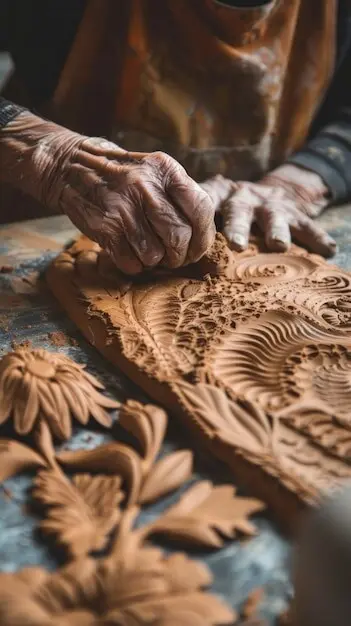
Layers curl when drafts slip beneath the door, so enclosures are quilted, not bought, stitched from leftover canvas and ski boot liners. PLA becomes a summer friend, PETG the winter ally, and nylon a rare guest invited for strength. Epoxy cures in a bread proofer retired from croissants, while carbon fiber offcuts from a paraglider repair become reinforcing ribs. Every setting, jig, and jiggle charts a small map of adaptation to the mountain’s crisp breath.
Repair Culture Over Replacement
The slope eats poles and time alike, so a repair bench stays ready for snapped baskets, rattling derailleurs, and bindings with mysterious squeaks. Avalanche beacons get battery contacts polished, radios receive new PTT caps, and headlamps gain printed shims that outlast store-bought parts. The pride is practical: one more season wrung from faithful gear, fewer trips down-valley, more euros staying where they matter. Posters shout, mend first, brag later, and neighbors trade torque specs like cookie recipes.
Sourcing Sustainably and Locally
Larch whispers straight grain into furniture legs, spruce yields shelf boards light enough for steep stairwells, and storm-felled branches become glorious lamp arms. Retired climbing ropes braid into dog leashes and cable sleeves; wool felt cushions printer feet and steady drones during calibration. Screws arrive by bicycle post, finishes are linseed, not lacquer, and offcuts pile into mosaics that remember the tree. In these hills, material choices carry stories longer than any receipt ever could.
Education, Apprenticeship, and Lifelong Learning
Resilience Through Seasons and Storms
Economics of Small Places
Stories From the Ridge Lines
The Maple-Syrup Extruder That Shouldn’t Have Worked
A visiting Canadian joked about filling a paste extruder with syrup to print edible trail markers. Laughter turned into a gasket redesign, temperature tweaks, and the discovery that viscosity argues with altitude. The printer finally squeezed plump spirals onto crackers, delighting kids and confounding skeptics. The lesson wasn’t culinary—it was about prototyping bravely with silly ideas, because the same nozzle geometry later stabilized a lifesaving epoxy bead in a drafty toolshed on a dangerous, windy night.
A Printer, a Paramedic, and a Frozen Valve
During a deep freeze, the village water intake valve seized. A paramedic stopped by for coffee, recognized the part, and sketched a temporary handwheel adapter on a napkin. Two hours later, wrapped in felt and hope, a printed piece clicked into place. Water flowed, spirits rose, and the emergency call never had to be made. The story circulates whenever new volunteers doubt their skills, proving that small, fast, collaborative acts can thaw problems larger than any single person.

All Rights Reserved.